

Outdoor & Recreational Activities
Helping maintain connection to education and study and prepare for work

Outdoor Program: Homeless Not Helpless
- Building resilience, connection, and confidence—one adventure at a time.
- For many young people, the Homeless Not Helpless (HNH) Outdoor Program is their very first taste of adventure—and it’s life-changing. Designed for young men aged 13–20 at risk of homelessness, this program offers far more than just thrills.
- In partnership with Youth Justice and the Department of Education, we create opportunities for young people to step out of their comfort zones and into experiences that challenge, empower, and connect them.
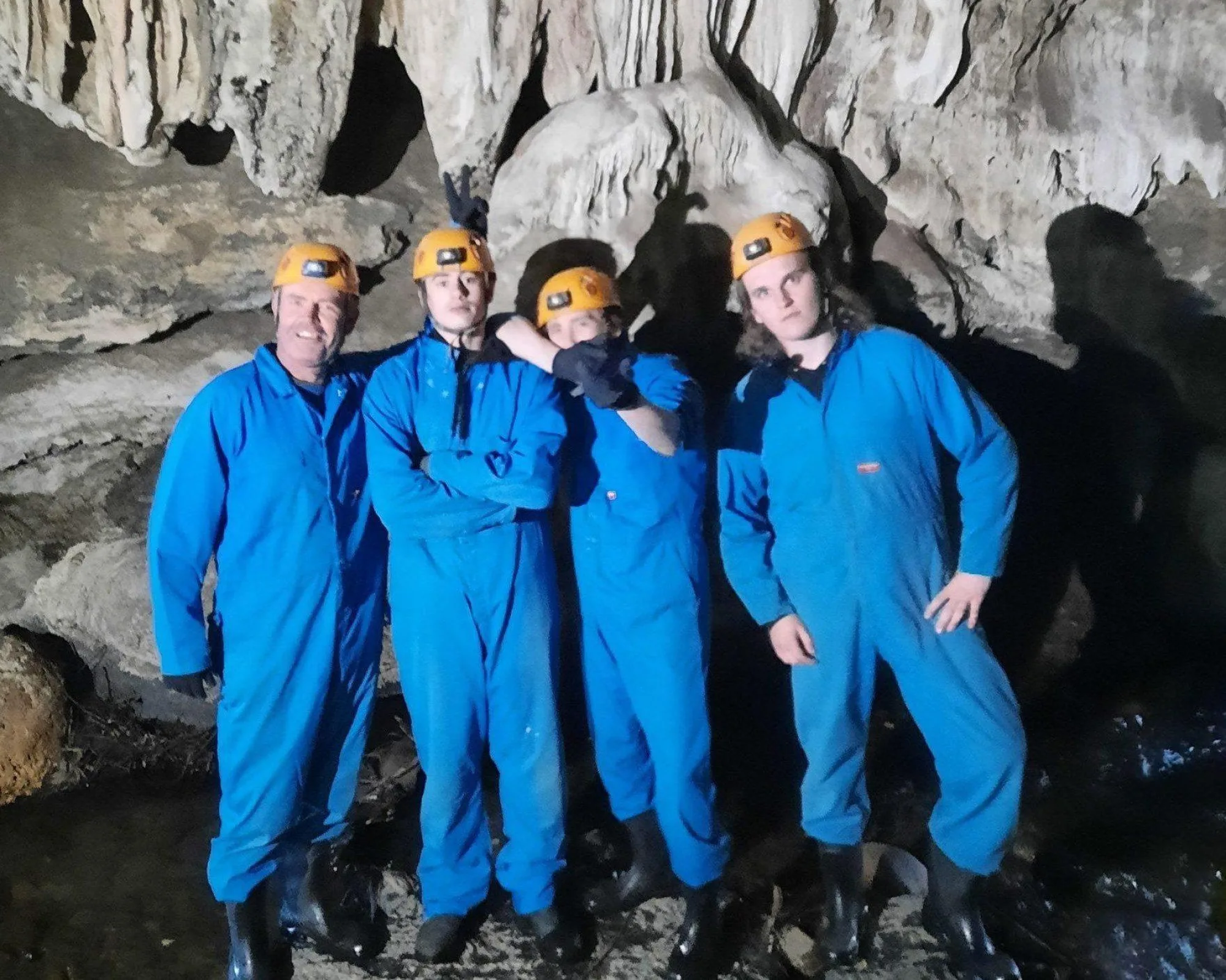
- From rock climbing and abseiling to wild caving, treetop zip lines, mountain biking, paintball, and go-karting—every activity is an opportunity to grow. With the support of qualified instructors and youth workers, participants build trust, overcome fears, and discover their inner strength through shared challenges.
- The results?
A stronger sense of belonging. Reduced judgement and bias. Confidence built through teamwork, leadership, and decision-making. Young people leave these experiences feeling proud, connected, and capable. - This is experiential learning at its best—fuelled by adrenaline, backed by support, and grounded in real-world growth.
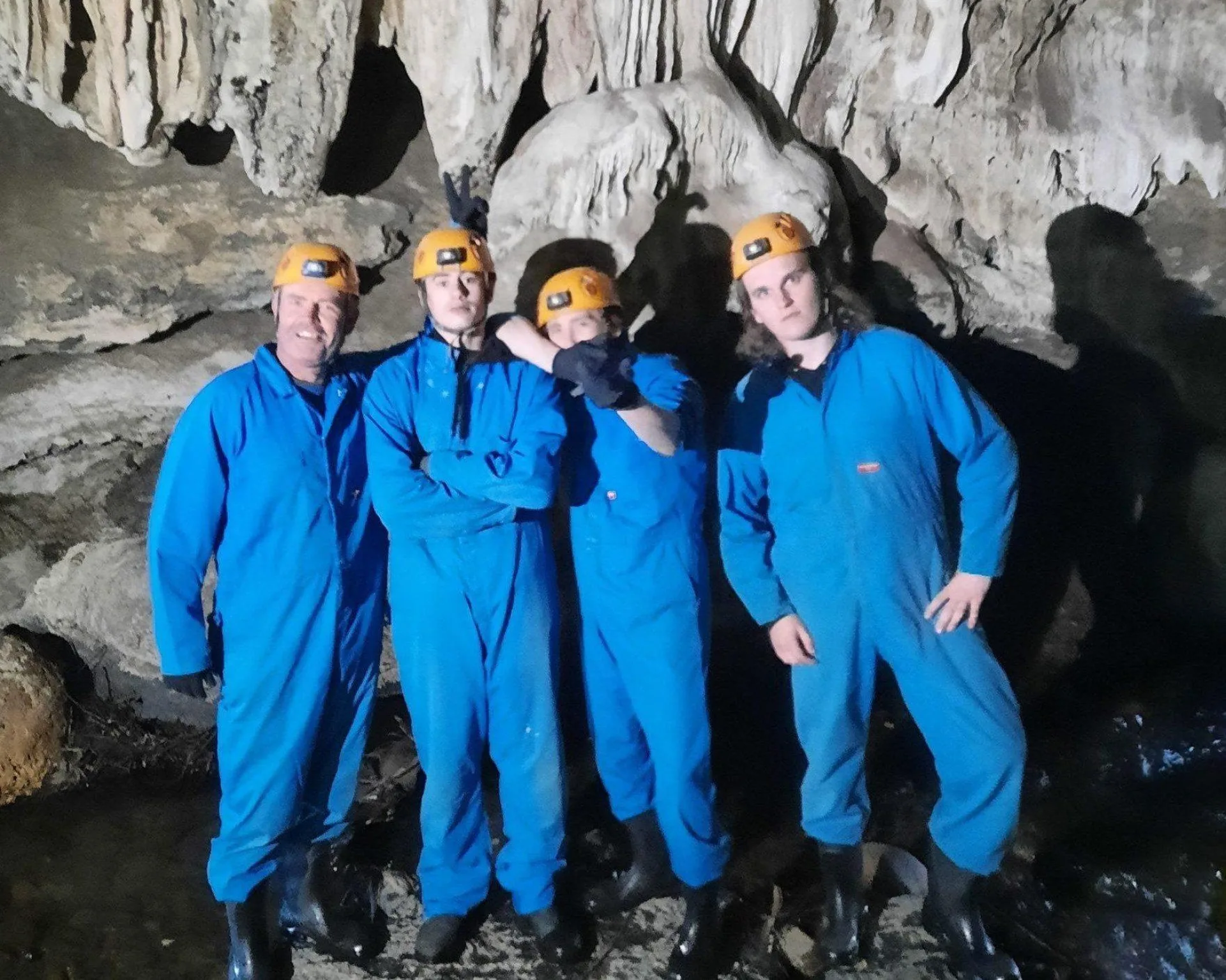
Over the course of the program four participants from Youth Justice engaged in the several activities.
The general nature of our clients is often a barrier for their attendance at such activities and they often appear left out of community events. Therefore, to have the opportunity made available, through good partnership developments, is a priceless reward for those who do engage.
From a worker’s perspective I can see how individuals face challenges, problem solve and develop better communication skills in order to overcome fear, self-doubt and low motivation.
Feedback I have received during and after each session has reassured me that such opportunities help for participants to develop their social interaction, team work as well as communication skills.
Young people while rock-climbing have told me “I hate heights and never though I could do that” as well as “that was great, can we go higher” .
Whilst caving there is often more silence as we approach challenges, however after completing each session the excitement of achievement is clearly shown on their faces. When asked what they learnt the responses have been “to be focused”, “ listen to instructions”, “I was able to help other get through those gaps”
The high ropes course certainly tested nerves and it was therefore great to observe and hear clear communication and team work occur to allow everyone to successfully traverse the obstacles. Participants proudly explained “ once you work out the process of the safety equipment its easier to move between challenges”. I also had a young lad say “ I waited for you before moving on” followed by “actually I was a bit scared and felt unsure if I could get across”. To me this showed that he had learnt how to slow down, think and look for support when needed.
Tim Keogh
Youth Worker
Youth Justice, North

Participant feedback was provided in both verbal and written responses. Below is a summary of the reviews. Attached are several of the participant photos, displaying the bonding and excitement participants felt and verbalised during and prior the activities.
The HNH worked within Tasmania’s Child and Youth Wellbeing strategy and framework. The basis for the program was to put young people in situations that are potentially stressful and have participants face unknowns to reduce individual bias and engender a collective sense of achievement and connectedness.
A collective overview of the program gained through individual verbal interviews found connection through adversity. Participants said this reduced individual bias and provided a common goal and identity in that moment. Activity outcomes noted were a sense of individual and collective achievement. Participants said they saw fellow participants as a part of the group and not separate from them in overcoming fear and challenging themselves. Experiential learning is often the best form of learning for people having trouble with “normal” learning modalities. All activities require participants to develop teamwork, be able to follow directives, work within guidelines, build capacity to develop and deliver safe, sound, and supportive communication in challenging environments and display decision making and leadership throughout.


